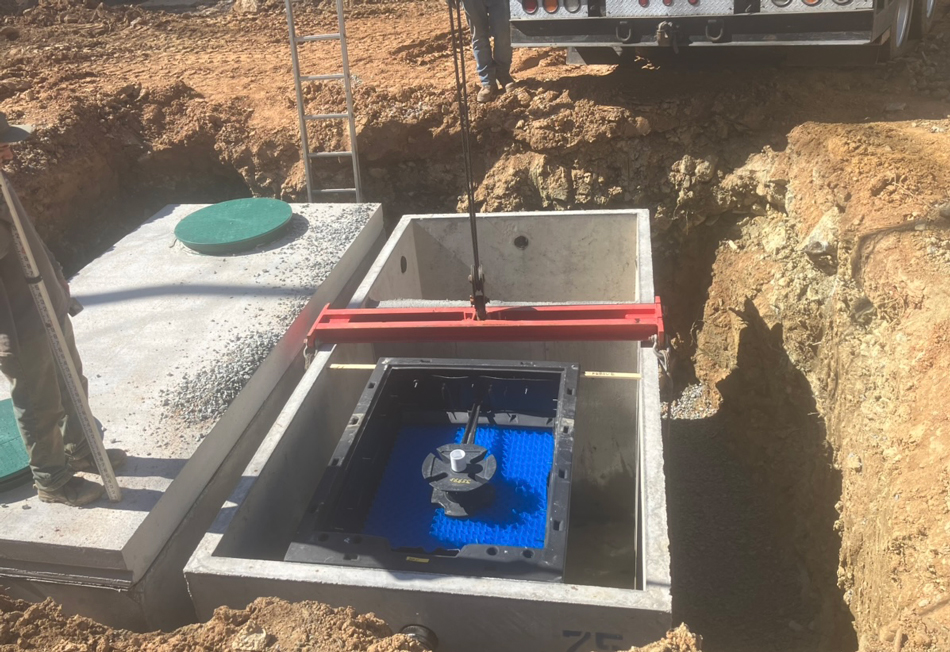
What does septic system installation involve?
Septic installation involves permitting, a soil evaluation and perc test, designing a system sized to the home, excavating, setting the tank, building the drain field, backfilling, and a final inspection. Reliable Septic manages the full process to Michigan code across the Great Lakes Bay Region.
A septic system is a long-term investment in your property, so getting the design and installation right matters. The process starts with a site evaluation to confirm how your soil drains and where the system can safely go.
From there we pull the required county permits, build the system to the approved design, and schedule the final health department inspection before the system is put into service.
Whether you are building new or replacing a failed system, we coordinate every step so you are not left juggling permits, testing, and contractors on your own.
- Site evaluation and permitting
- Soil evaluation and percolation (perc) testing
- System design sized to your household
- Tank setting and drain field construction
- Backfill, grading, and final inspection
Why do I need a soil and perc test before installing a septic system?
A perc (percolation) test measures how quickly your soil absorbs water, which determines whether a conventional drain field will work, how large it must be, and which system type your site requires. Michigan counties require this soil evaluation before issuing a septic permit, so it cannot be skipped.
Soil that drains too slowly or too quickly changes everything about the design. The results dictate drain field size, depth, and whether your lot needs an alternative or engineered system.
Doing the testing first protects you from paying for a system that will not pass inspection or will fail prematurely. We handle the testing and build the design around the actual results, not guesswork.
What are the common types of septic systems?
The most common options are conventional gravity systems, pressure-distribution systems, and engineered or mound systems for difficult soils or high water tables. The right choice depends on your soil, lot size, water table, and local Michigan code requirements, all confirmed by your soil evaluation.
Most homes on good, well-draining soil use a conventional system: a tank followed by a gravity-fed drain field. When soil or site conditions are challenging, an alternative system keeps the property compliant and protects groundwater.
We walk you through which system your site supports before any work begins, so there are no surprises.
| System type | Best suited for | Key feature |
|---|---|---|
| Conventional gravity | Well-draining soil, adequate space | Tank plus gravity drain field; simplest design |
| Pressure distribution | Shallow soils or uneven ground | Pump evenly doses effluent across the field |
| Mound / engineered | Poor soil or high water table | Elevated or engineered bed built above native soil |
How do I know when to replace my septic system?
Replace your septic system when repairs no longer hold, the drain field is saturated and failing, or the tank is cracked beyond repair. Warning signs include chronic slow drains, sewage odors, pooling water or unusually lush grass over the drain field, and gurgling pipes that return after pumping.
Not every problem means replacement. Many issues are fixable with targeted repair or drain field service, which is why we inspect first and recommend the least costly option that will actually last.
When a system has truly reached the end of its life, replacing it protects your home, your property value, and the groundwater your community relies on. We help you plan the replacement with clear, upfront pricing.
- Repairs that no longer solve the problem
- Standing water or lush growth over the drain field
- Persistent sewage odors indoors or outside
- Slow drains and gurgling that return soon after pumping
- A cracked, collapsed, or undersized tank
Does Reliable Septic handle permits and Michigan code?
Yes. Reliable Septic handles the permitting, soil evaluation, and design so your new or replacement system meets Michigan and county health department code. We coordinate the required inspections and build to the approved plan, so your installation passes the first time.
Septic rules in Michigan are enforced at the county level, and requirements vary by location. We are familiar with the counties we serve across the Great Lakes Bay Region and keep your project moving through each approval.
Fully licensed and insured, we stand behind the work and the paperwork that keeps your system legal and protected.
What areas do you install septic systems in?
Reliable Septic installs and replaces septic systems throughout Mid-Michigan's Great Lakes Bay Region, including Saginaw, Midland, Bay City, Freeland, Bridgeport, Vassar, and surrounding central-Michigan communities. Call (989) 205-6017 to confirm service for your address and schedule a site evaluation.
As a local, dependable septic team, we know the soils and permitting offices across the region. That local knowledge keeps your installation on schedule and up to code.
If you are building, buying, or replacing a failing system anywhere in our service area, reach out and we will get the evaluation started.
Frequently Asked Questions
How long does a septic system installation take?
What size septic tank do I need?
How much does septic installation cost?
Do I need a perc test before replacing an existing system?
Can you install a septic system on a difficult lot?
How long does a new septic system last?
Will you remove or decommission my old septic tank?
Are you licensed and insured for septic installation in Michigan?
Trusted Septic Resources
Homeowner guidance from authoritative sources on septic system care, maintenance, and Michigan regulations: